Our Story
OUR VISION
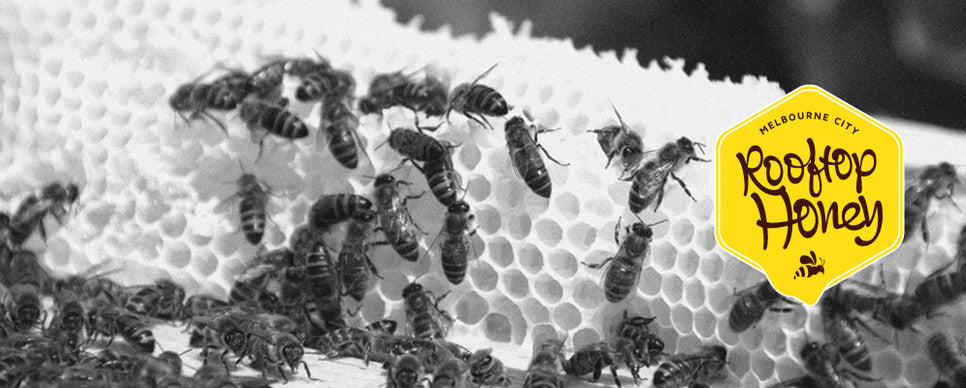
Since 2010 we've been flying the flag for bees in Melbourne. Our vision is the same now as it was back then. We look forward to sharing our beekeeping world with you this season.
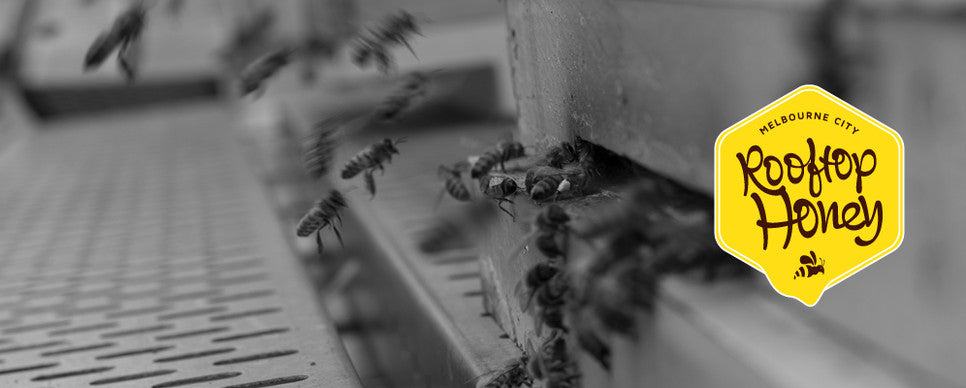
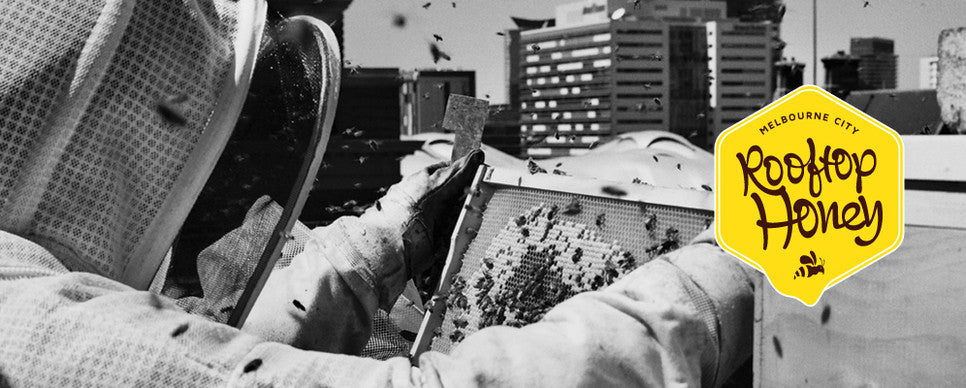
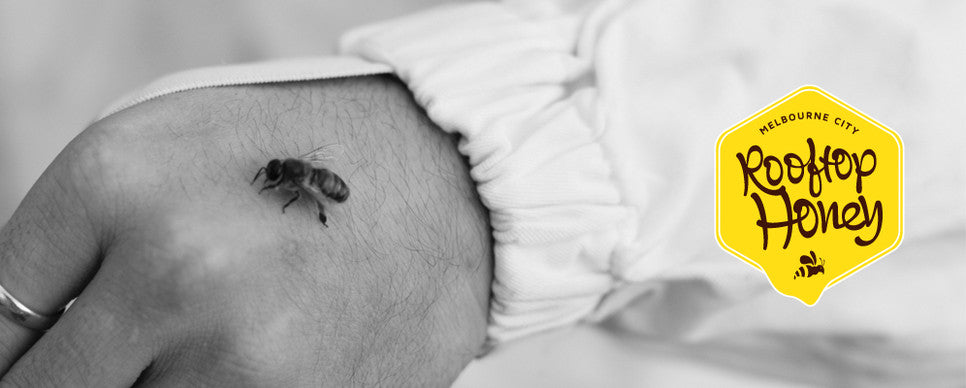
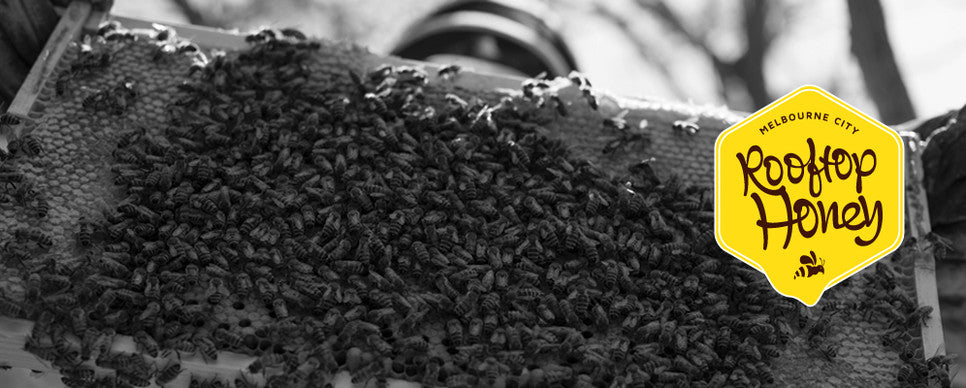
We are Beekeepers with a vision of bringing bees back to the city and the suburbs of Melbourne. The aim is to be part a global effort to help save the honey bee from the various threats of disease and human habitation.
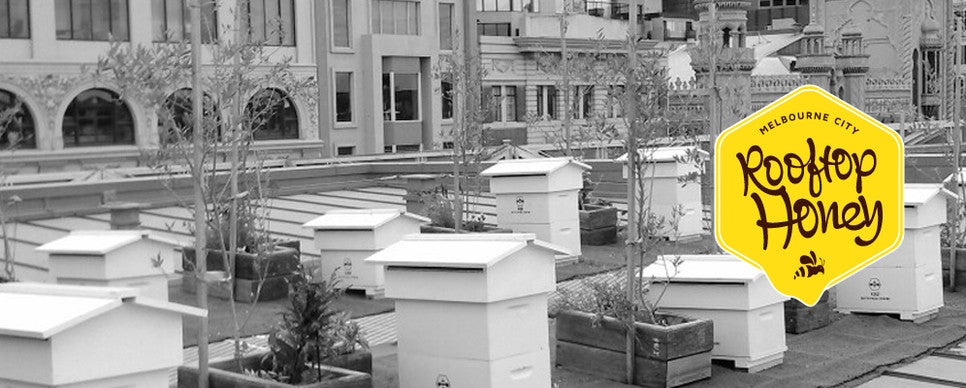
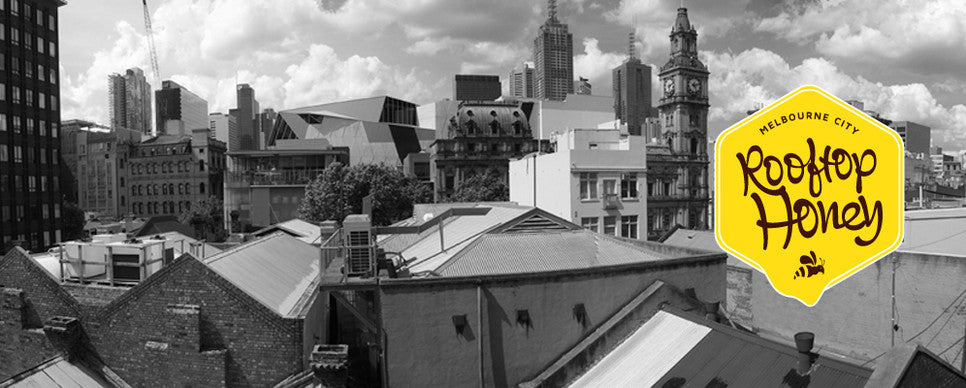
This project not only seeks to address issues of sustainability, it also aims to raise awareness of the importance of bees whilst creating delicious honey. By placing hives on the roof spaces of cafés, restaurants, hotels and individual's gardens in and around Melbourne we have reduced the distance from production to plate to mere metres.
Melbourne City Rooftop Honey joins the cities like Paris, London, Toronto, San Francisco New York, Hong Kong and many others where urban beekeeping is thriving. The community benefits by some true ‘local’ produce – a delicious tasting honey which is unique to each site, with less actual food miles plus help green our City of Melbourne.
ONLINE STORE
Support us and our bees by choosing to buy local.
Why is buying local so important? Eating local means more money stays within your community. Every dollar spent generates twice as much income for the local economy. Local = building a strong local economy.
See our Stockists for your local honey. If you'd like your honey delivered, or specifically Hay Fever honey, see our Online Store. We also offer Free Shipping for all Orders over $100.
You can also find out where you can go Taste Rooftop Honey in and around Melbourne. Check out our supporters and Hive Locations.
LATEST MEDIA - GARDENING AUSTRALIA
You can also see all of our other media, check out what we've been up to.